Packaging
PSM Upstream solutions
Methodology
Western Australia has a hostile environment for storage of assets with high humidity, extreme heat and large amounts of sand and dirt. Our packaging is designed to mitigate against these challenges by combining vapour barrier and desiccants in our packaging. We can therefore guarantee that the assets are protected from the harsh Western Australian climate both in storage and during transportation.
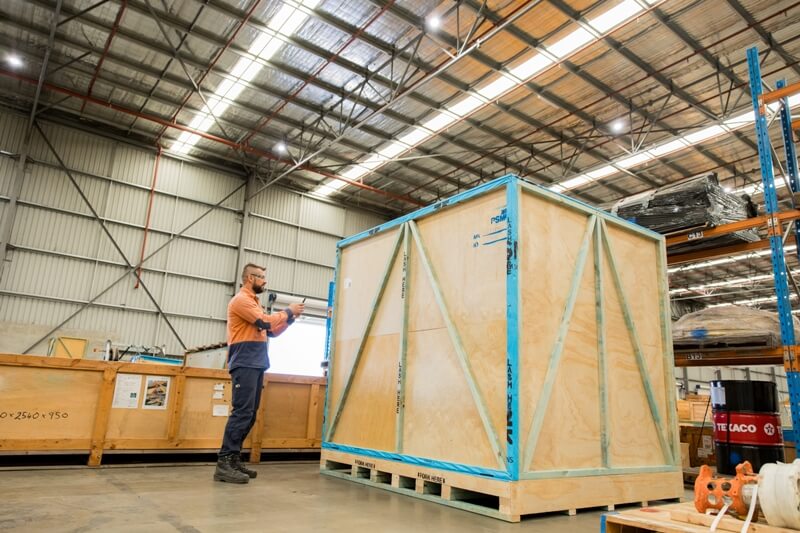
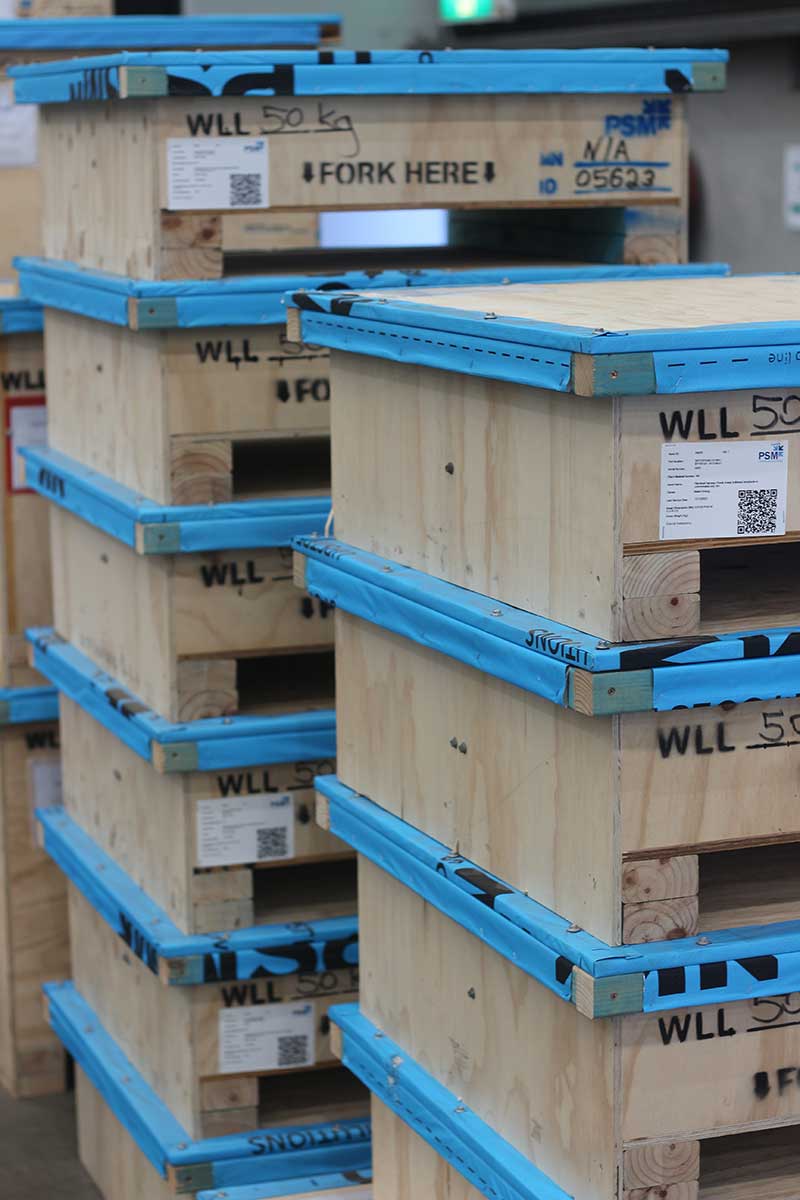
Our Preservation and Transportation Pods (PTP) are designed and fabricated locally by PSM, to mitigate against deterioration of asset during preservation and storage, as well as being transport compliant to all relevant standards.
In-house Research and Development
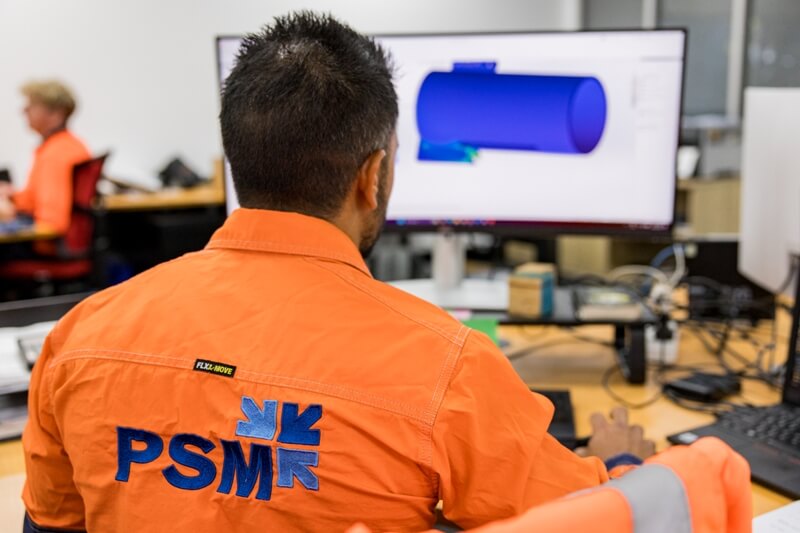
PSM’s extensive in-house testing over several years allowed empirical derivation of the various parameters required to utilise Australian standard AS2400.18 to calculate the desiccant dosage required for any storage location within Australia. This formed the basis of our strict packaging standards.
Packaging for Structural Integrity
Equipment faces the risk of damage during handling and transport. Packaging is the primary safeguard for equipment, ensuring its condition and safety during transportation and warehousing. PSM’s structural design criteria for transport must meet the following three design cases as a minimum:
- Packaging for road transport meeting the National Transport Commission (NTC) performance standards
- Packaging for forklift transit with Dynamic Application Factor (DAF) of 1.2
- Packaging for in-house storage with a ten-year design life
Working Load Limit (WLL)
By designing and fabricating our own PTPs, PSM can guarantee a Working Load Limit (WLL) and offer a certificate of conformance guaranteeing adherence to the performance standards set by the National Transport Commission (NTC). PSM also conforms to the Australian standard AS1720.1 Timber Structures Design Methods for crate fabrication and always ensure that the appropriate load restraint is applied.
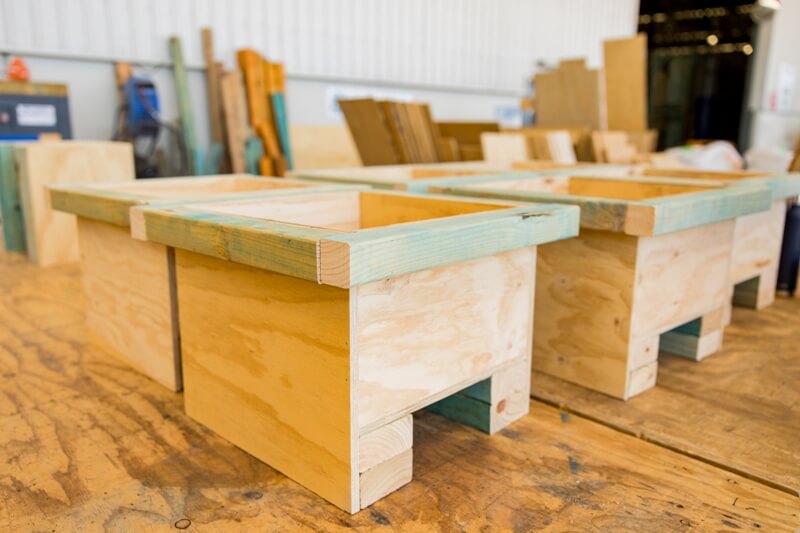
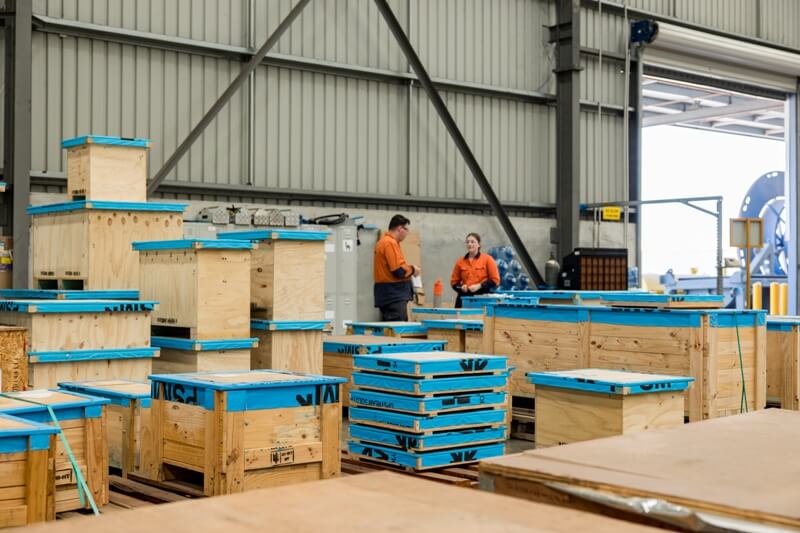
In-house timber fabrication area
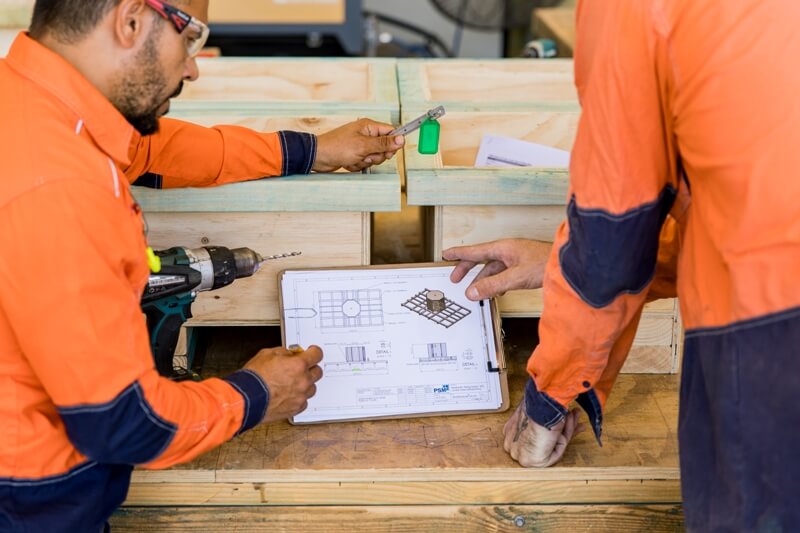
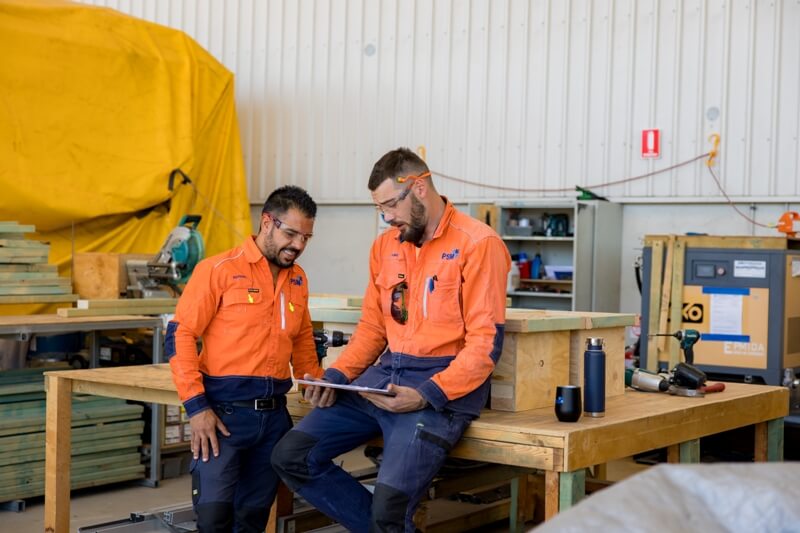
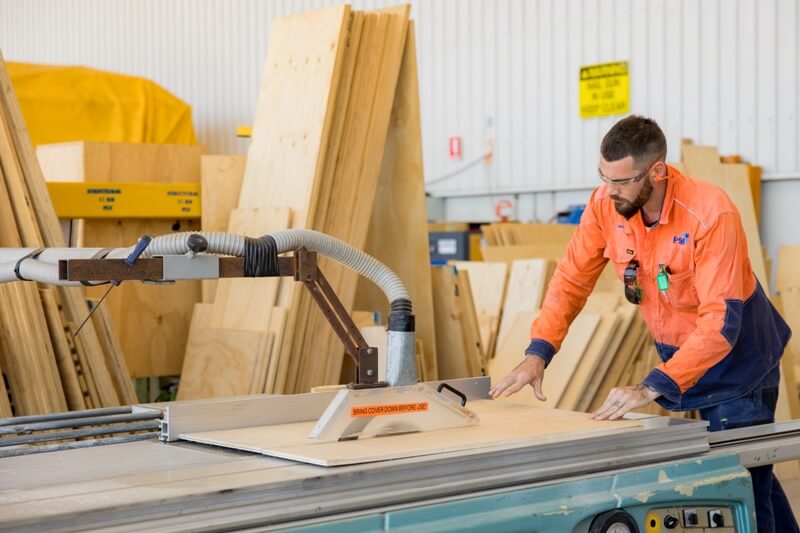
With our in-house timber fabrication area and specially trained personnel, we are in total control of the crate building process. With our standardised tools such as our crate fabrication calculator and tie down tables, requirements are easily and effectively communicated from the workshop floor to the crate fabrication team while meeting all standards and guidelines ensuring that Chain of Responsibility is met.
PSM can also design and build steel skids and steel cocoons to house critical equipment such as gear sets and turbine rotor components.
Safer Together
PSM is active in the not-for-profit, member-led organisation Safer Together that strives to create a strong and consistent safety culture within the oil and gas industry. To show our dedication to packaging we are one of the board members for updating the packaging standard and implement best practises for land transport in Western Australia. This group also strives for innovative changes to be implemented in regulations with PSM at the forefront at this change.
Packaging for Preservation
PSM packaging also doubles over as preservation vessels and involve two main strategies:
Vapor Barrier: Environment Control
Our packaging includes a vapor barrier with a known Water Vapour Transfer Rate (WVTR), providing a shield against external elements, including moisture, dust and contaminants, whilst eliminating the risk of condensation with this semi-breathable system. This meticulous control of the environment within the packaging ensures that the equipment remains protected from detrimental environmental factors.
This method of packaging also allows easy replacements of desiccants and conditional inspections over the storage period. This contributes to process assurance and process safety when critical spares are mobilised for emergency or shut down purposes.
Desiccants: Controlling Humidity
Maintaining optimal humidity levels is critical for equipment longevity. Our packaging solutions integrate the use of desiccants, effectively regulating moisture to prevent corrosion and damage caused by excessive humidity. By controlling this factor, we safeguard equipment against potential degradation, ensuring its functionality.
Our desiccant dosage calculations are based on our empirical data and AS2400.18with mil spec environmentally friendly (clay based) and reusable desiccants.
Nitrogen: Removing Oxygen
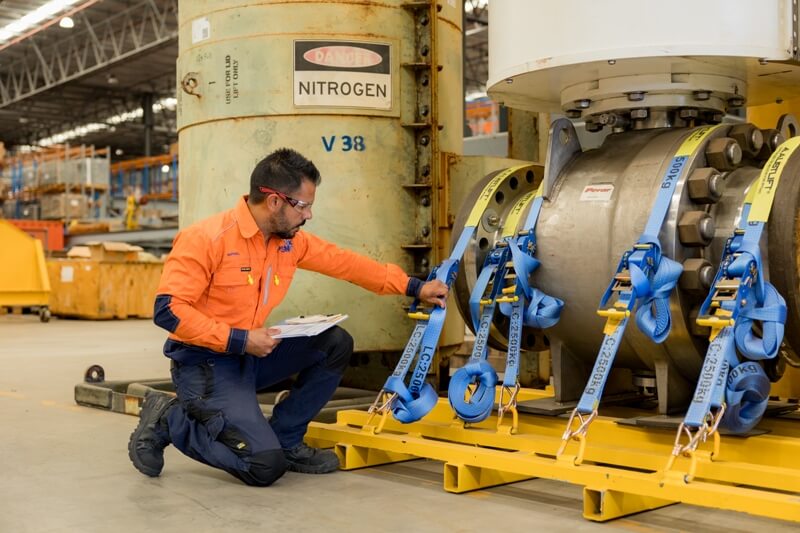
Rotating equipment are most frequently stored in metal cocoons. To preserve these assets, we install seals between the lid and the body of the cocoon, as well as internal, cost efficient, quick connect tubing to create turbulence and adequate distribution when we purge the cocoon with Nitrogen to less than 1% Oxygen. The cocoon is then connected to a ring main of Nitrogen to ensure a small positive pressure in the cocoon while in storage. The PSM RSU (Remote Sensing Unit) measures temperature, humidity and pressure of each cocoon, and alerts our QC department if any cocoon is outside of specifications.
Fit for purpose
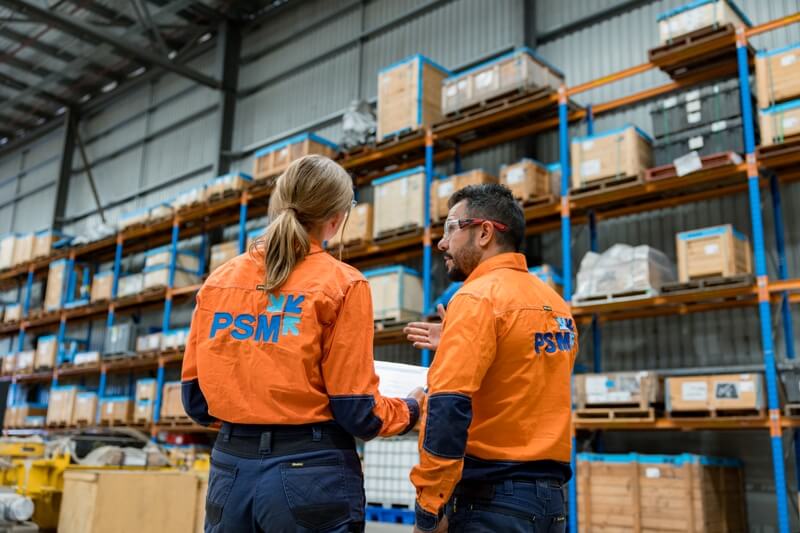
Disregarding the size, weight or dimension of the asset PSM has a fit for purpose solution. No matter how complex your packaging challenge is, PSM engineering has your solution.